Water is life, water is peace in Ciad
To support food security and for the prevention of conflicts between farmers and shepherds the following project involved the construction of 6 agro-pastoral wells in

For COOPI Suisse, access to water, in forms of adequate quantity and quality, is fundamental for the development of the communities with which it cooperates. It recognises the imperative link between the management of the resource, food safety and health and thereby encourages the efficient use of water resources. In this sense, COOPI Suisse recognizes climate change as a driver in determining the availability and access to water and for this promotes adaptation strategies that serve to mitigate the risks of water deficit and its related conflicts.
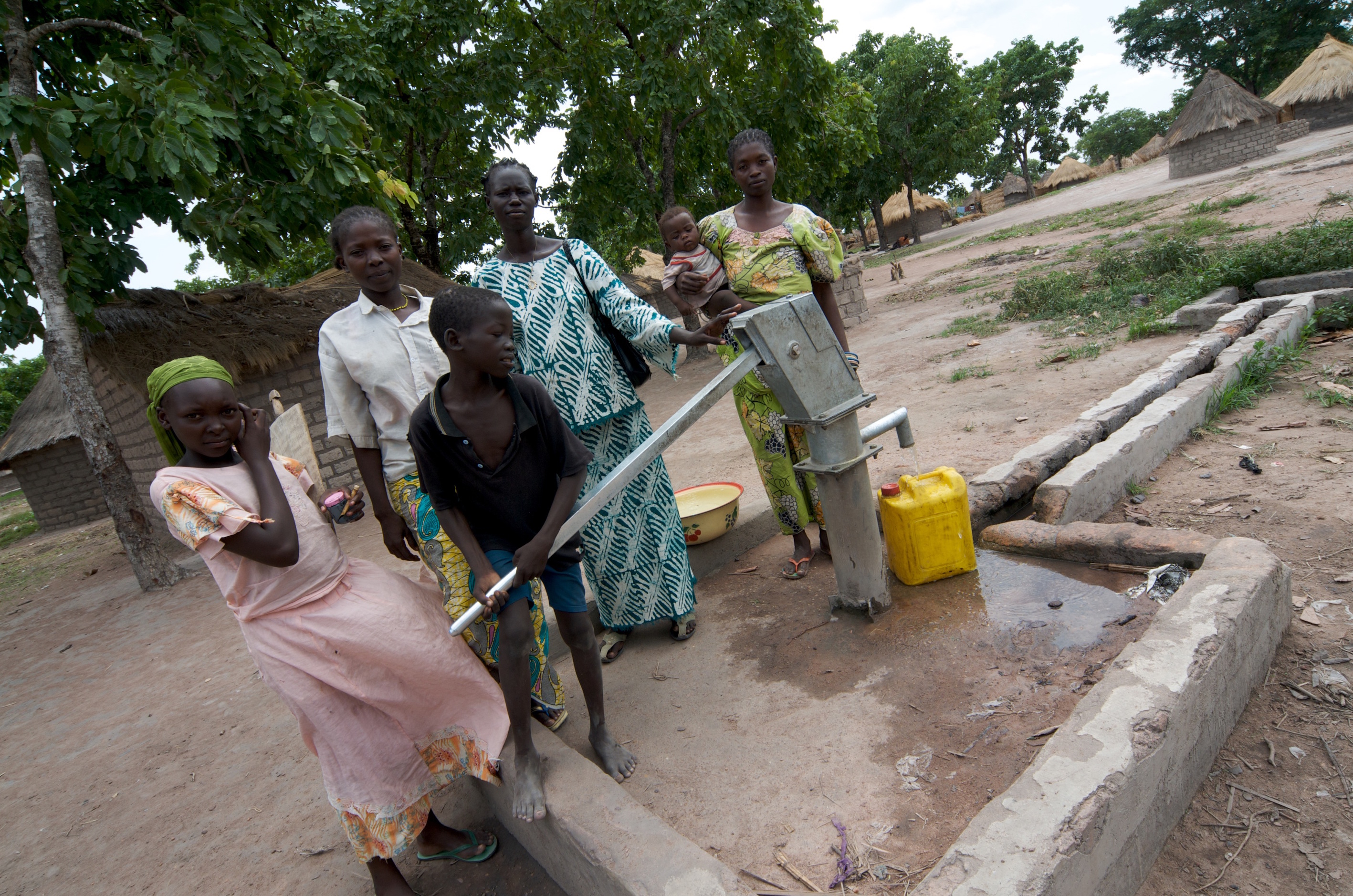
In particular, we guarantee access to water through the construction of wells, the installation of catchment systems, the rehabilitation or construction of infrastructures and water supply points (eg. along pastoral routes), irrigation and rainwater recovery systems from roofs of both private and public buildings. With regard to water access for human consumption, we promote community awareness-raising activities on the systems of domestic treatment and safe storage, on the risks deriving from the transmission of water-related diseases and we support the mediation of potential conflicts that may arise for the management of the resource. Furthermore, we promote integrated solid waste management that considers all phases.

To support food security and for the prevention of conflicts between farmers and shepherds the following project involved the construction of 6 agro-pastoral wells in

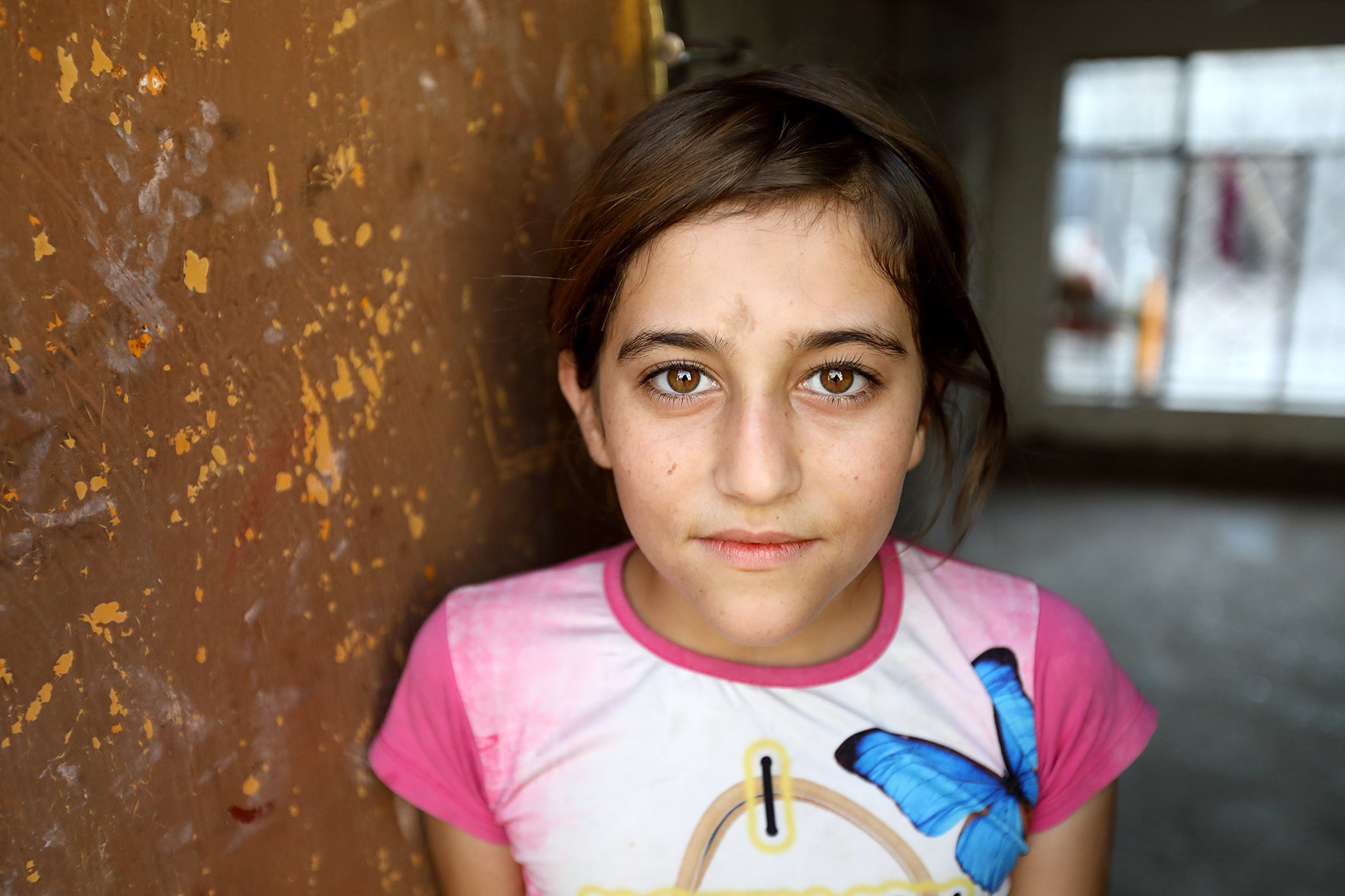
The refugees in Lebanon, approximately 1.2 million registered and recorded by the UNHCR, are distributed over the entire Lebanese territory, with the largest numbers
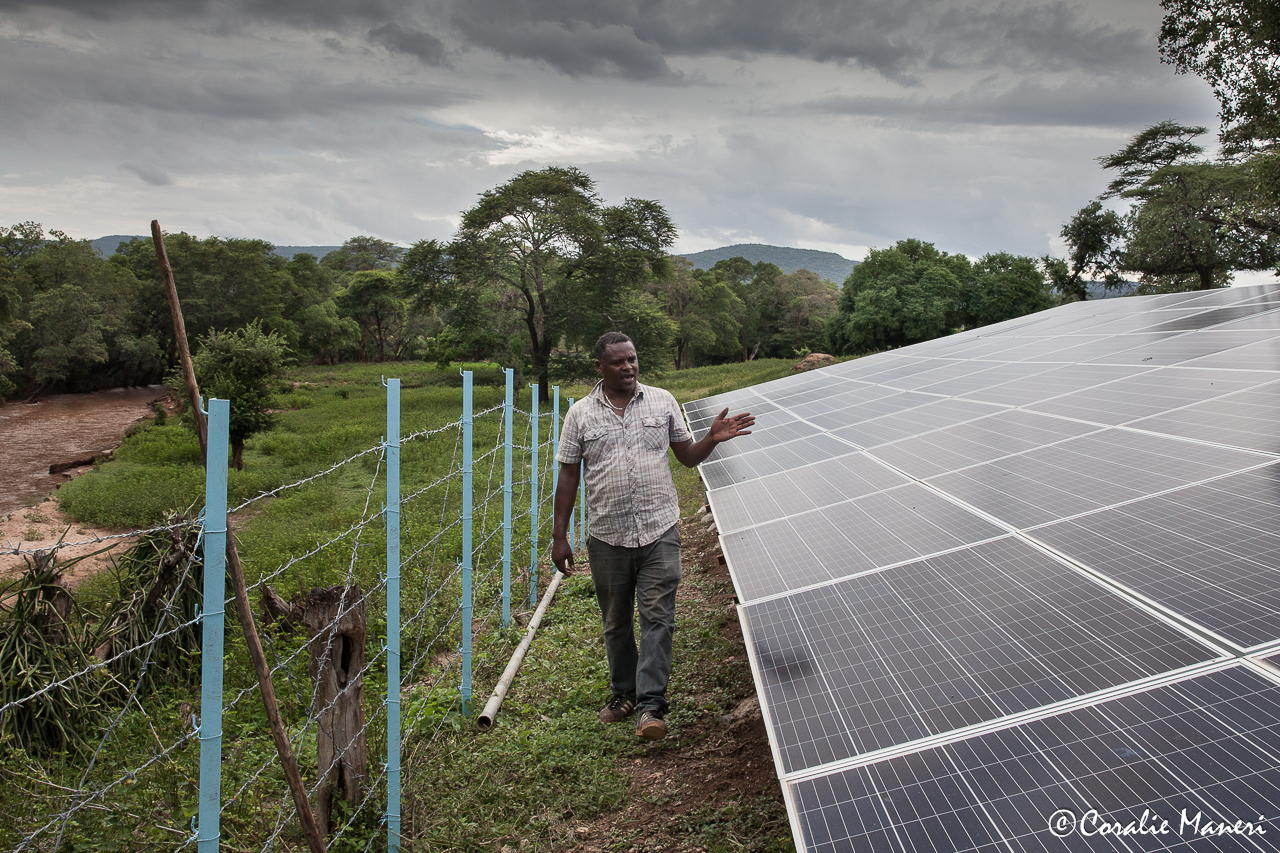
Electricity coverage in Ethiopia is very limited and in rural areas only 0.4% of the population has electricity for private use. Overall, electricity reaches 27%