We train 155 teachers in Chad
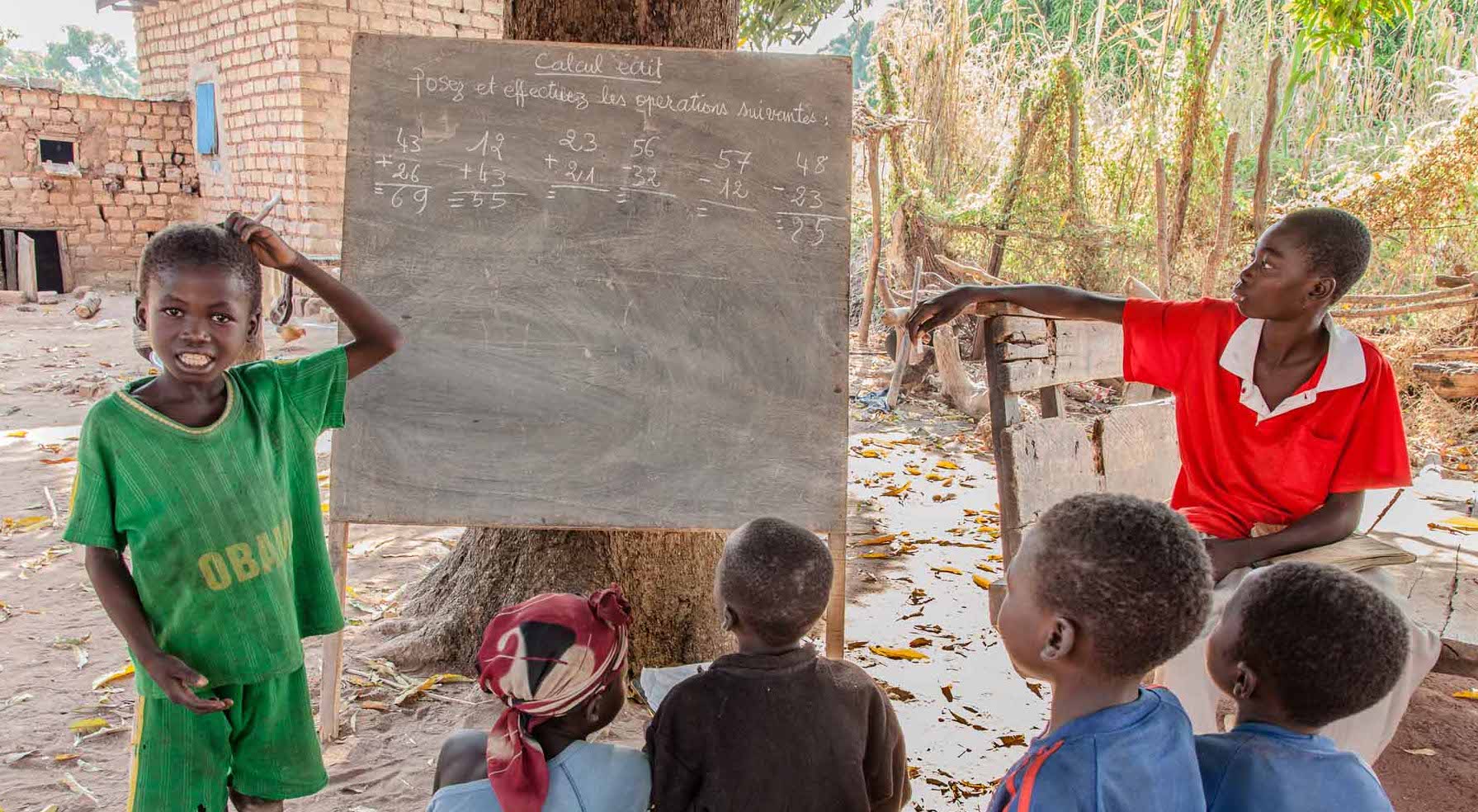
To strengthen teachers’ skills in a region where almost half of the children aged 6 to 14 do not go to school,is the goal of

COOPI Suisse supports its communities of interest in such a way to cope with extreme events caused by earthquakes, floods, tsunamis, droughts, landslides, hurricanes and volcanic eruptions. In this area, COOPI network’s programs are mainly based on the creation of geographic information systems regarding the territory’s resources and vulnerabilities, carrying out of risk studies and strengthening risk and crisis management capacities at community and institutional levels; the transfer of know-how. In particular, we promote the awareness and involvement of vulnerable communities, institutions and other relevant actors in the implementation of development plans that integrate the risk reduction priorities outlined by the studies carried out. We strengthen the coordination mechanisms for the correct implementation of an emergency response and early warning operations through the improvement of the ability to prepare for disasters,
the elaboration of contingency plans, the implementation of mitigation works and supporting infrastructure (construction / rehabilitation centers for emergency operations, shelters, evacuation routes).
In addition, we promote the correct use of natural resources and the development of processes of adaptation to and mitigation of climate change through awareness-raising activities, support in land management, protection of livelihoods and stimulate the use of energy-efficient resources.

To strengthen teachers’ skills in a region where almost half of the children aged 6 to 14 do not go to school,is the goal of

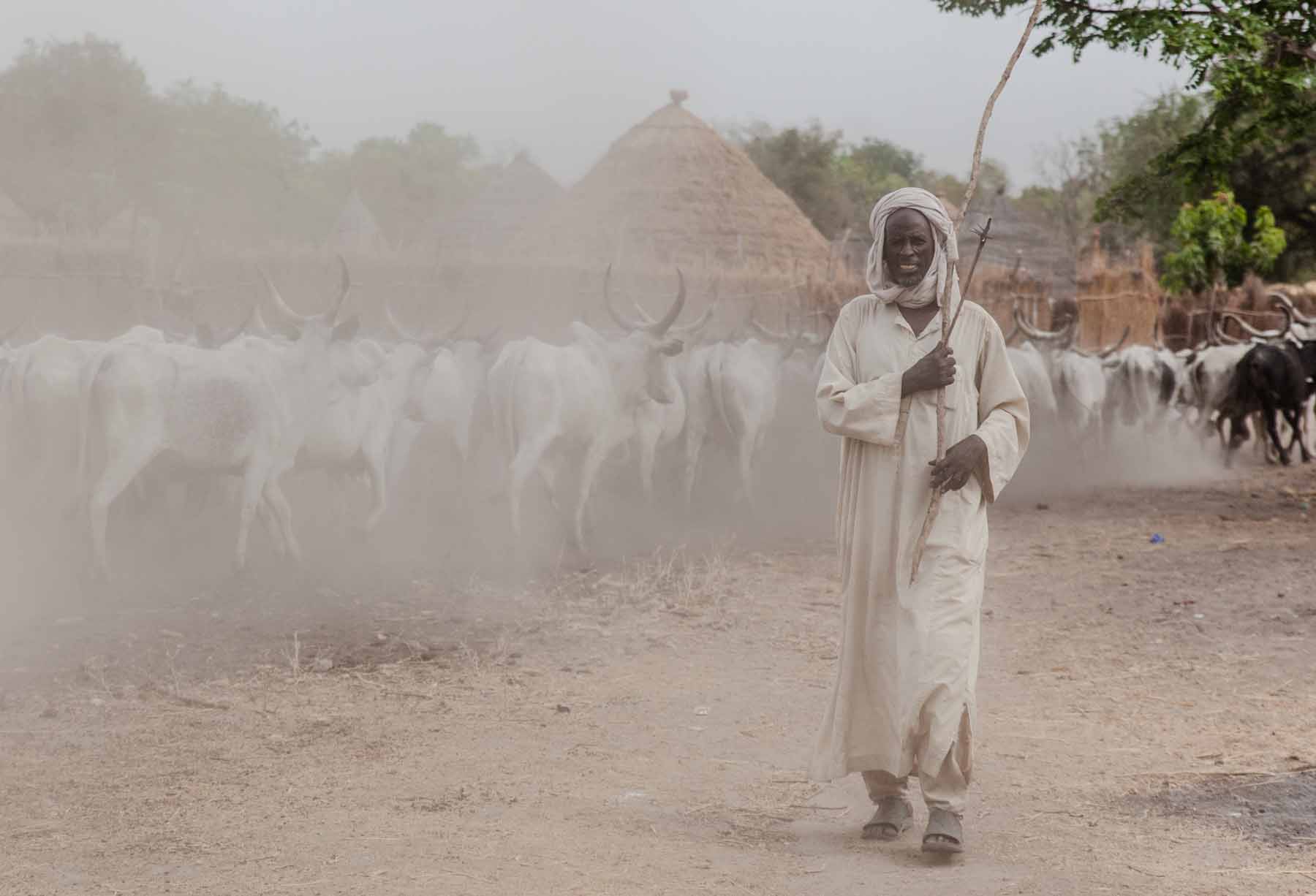
In Chad, the use of soil and water is an important factor for peaceful coexistence between shepherds and farmers and entire communities. In the Sila
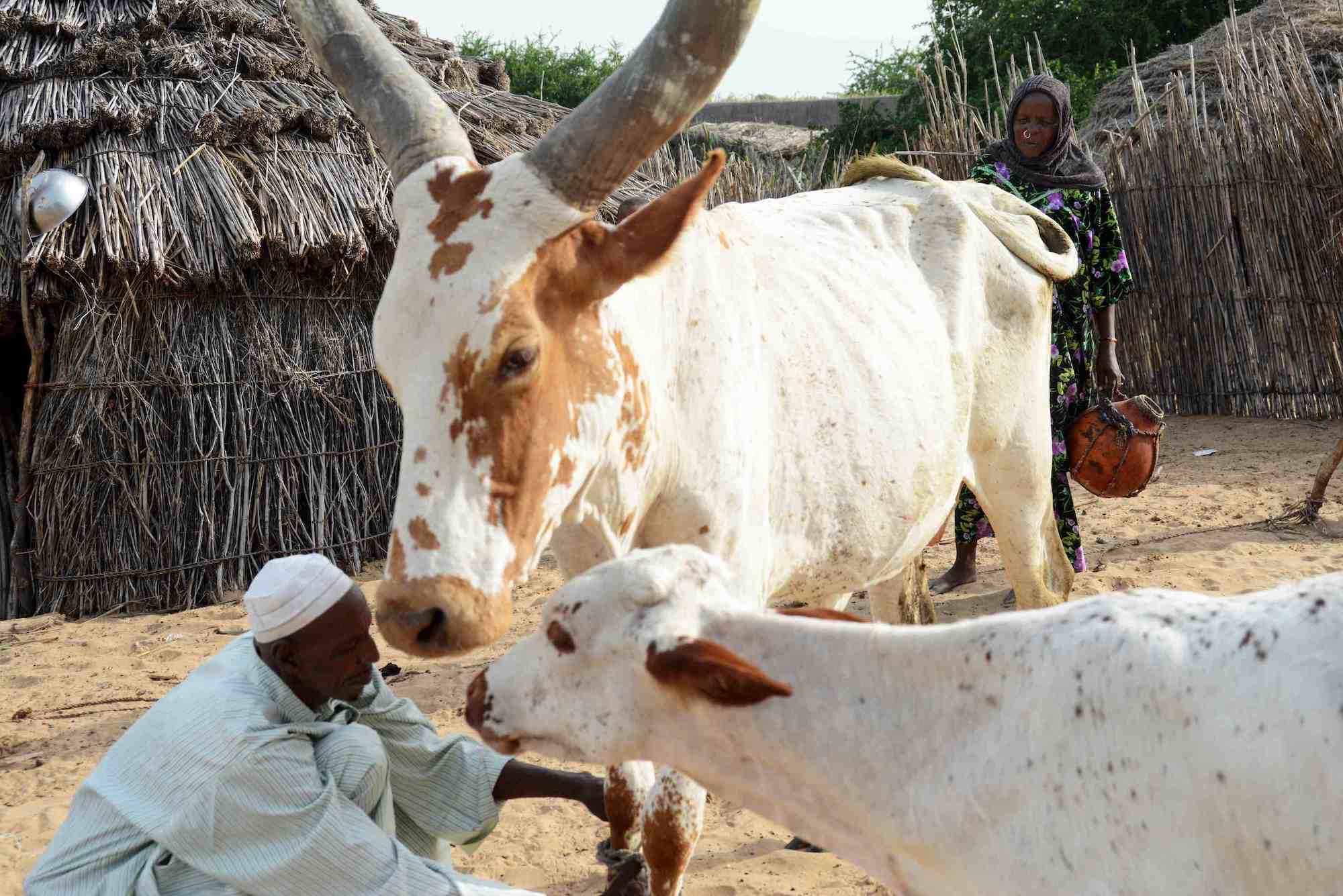
In the Eastern part of Chad, peoples’ lives are essentially based on agriculture and livestock. That said, technical resources, local expertise and conventions that manage
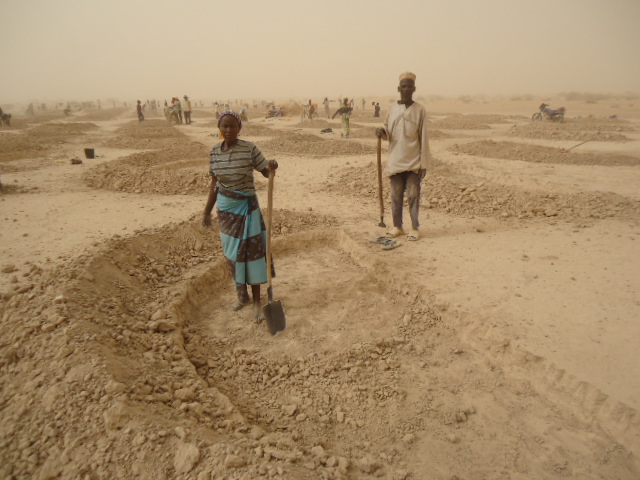
The Dosso region of Niger is considered among the areas with the highest numbers of people exposed to food insecurity due to climatic shocks (drought
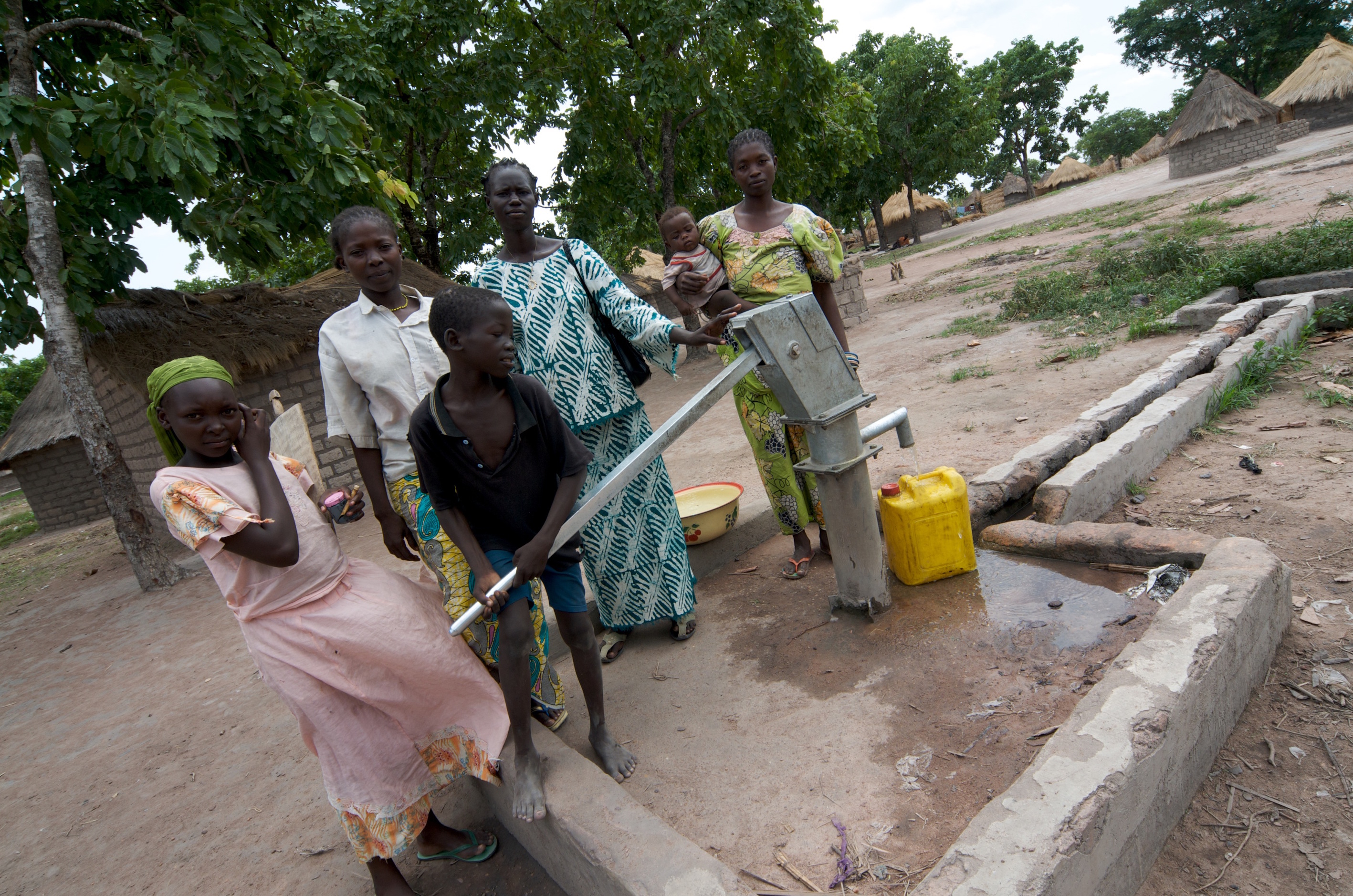
To support food security and for the prevention of conflicts between farmers and shepherds the following project involved the construction of 6 agro-pastoral wells in