
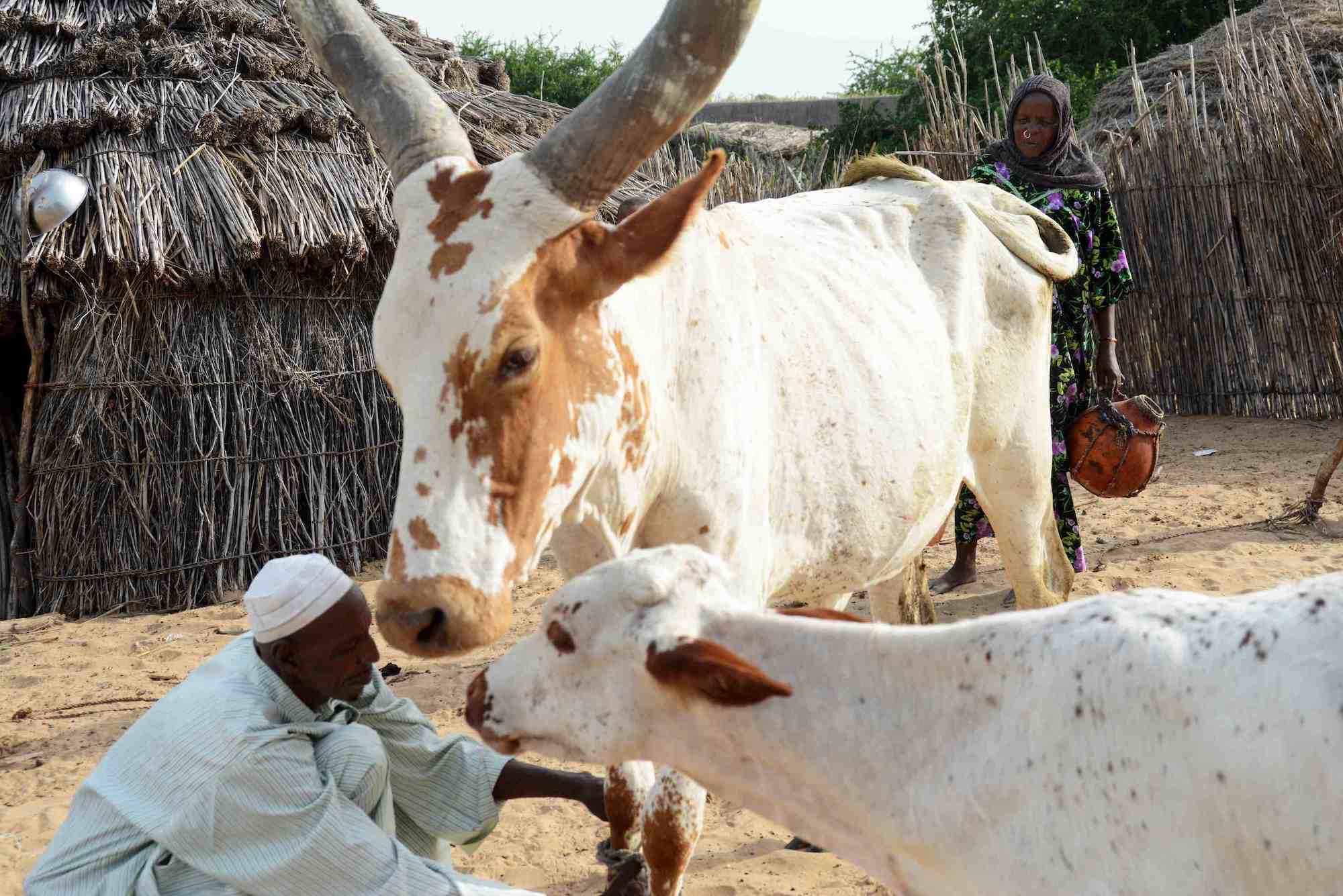



In the Eastern part of Chad, peoples’ lives are essentially based on agriculture and livestock. That said, technical resources, local expertise and conventions that manage the land between farmers and shepherds are missing. Consequently, the use of natural resources is often competitive and confrontational, turning into a source of continuing conflict.
In this situation, the lack of knowledge on topics including land government, grazing and exploitation of natural resources, and the low level of schooling and literacy are factors that further contribute to exacerbate tensions between agriculture and breeding activities.
Finally, the structural situation is worsened by demographic pressure, in a context where infrastructure, the support system for livestock production and public health services are unable to meet the needs required for a proper development of the sheep-farming sector.
 The action, also supported by the Canton of Ticino, therefore promoted concerted, sustainable and equitable management of pastoral resources through the development of local mechanisms aimed at ensuring food security of the rural population and improving the resilience of the weaker sections of the population, among others, young people and women.
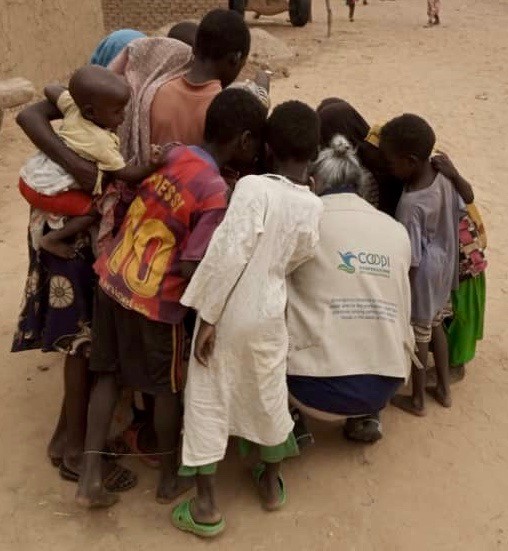
More specifically, capacity building (organization of various training cycles on conflict prevention and management) took place interdependently on at least three levels: between regional administrative authorities, at departmental and civil society level with a training cycle for regional, departmental and local committees on the prevention and management of conflicts, 2 workshops for civil society organizations (dissemination of information and peaceful management mechanisms of the conflict), a regional information campaign, the training of 10 committees on causes and consequences of conflicts, a training cycle for departmental committees on natural resources management.
The beneficiaries are one regional action committee, two departmental action committees and eight local action committees, for a total of 100 individuals; the agro-pastoral groups (agro-pastoral groups, federations of shepherds and farmers), for a total of at least 2.000 individuals (of which at least 30% are women); community facilities (10 local committees).
The indirect beneficiaries of these actions can be calculated on the basis of the number of individuals belonging to all the families of sedentary, semi-sedentary and transhumant shepherds of the Sila region, equal to approximately 387.400 individuals (where about 52% are women).
The project involved technicians from the Regional Delegation for rural development of the Sila of the Ministry of Breeding and the technician of the livestock sector. A regional technical agent (ATR) of the Delegation was especially entrusted with the supervision of the project activities, as a state representative.
The project took place from May 2019 to June 2020.