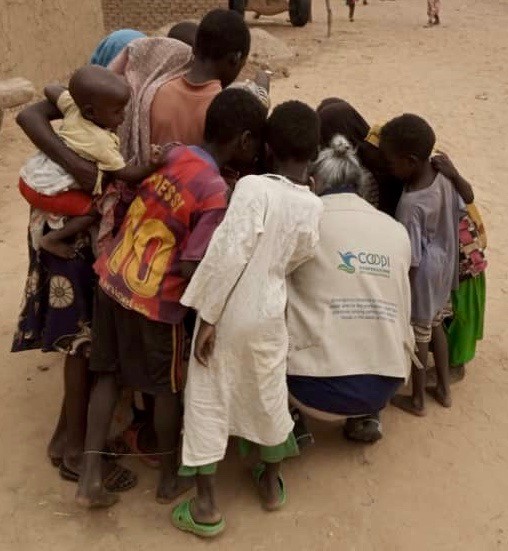




The Sila province is an agro-sylvo-pastoral area. Its population is mainly composed of sedentary people (farmers and agro-pastoralists), sedentary nomadic shepherds and transhumant shepherds. These populations live from agriculture, livestock farming, trade, fishing, handicrafts and harvesting. The constraints of access to water are acute. During the dry season, rivers are empty and flood in the rainy season, making them impassable. Crossing them is one of the biggest challenges of transhumance. As soon as the first rains arrive, herders speed up their journey to avoid flooding and getting trapped and stuck in the wetlands to the south. Competition for access to water resources is therefore a factor that increases the risk of conflict between the various users of the resource.
Water resources are one of the most important levers for the sustainability of pastoral livestock production. Livestock mobility in pastoral systems is a production strategy that exploits the instability characteristic of pastures, where key resources, such as nutrients and water for livestock, become available in ephemeral and largely unpredictable concentrations. It is on access to water that pastoral systems optimise their performance and resilience, in particular by securing the water-grazing pair. In Sila, not all water sources are permanent, and access to water becomes problematic for most of the year for pastoralists and their families.
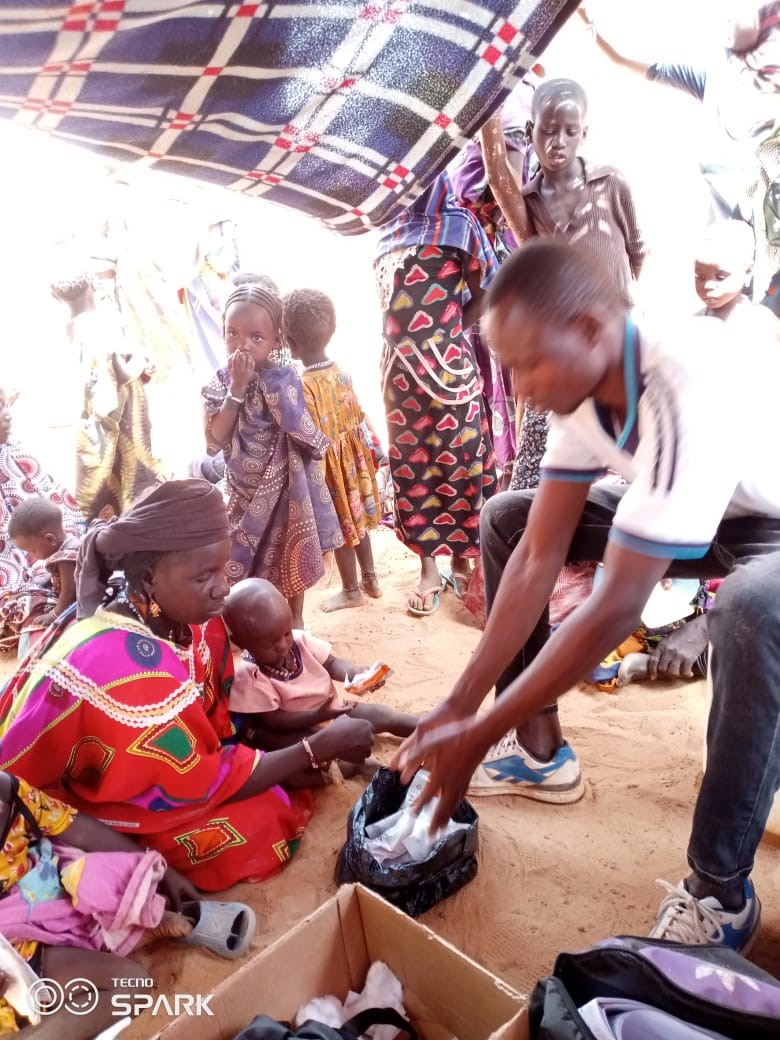
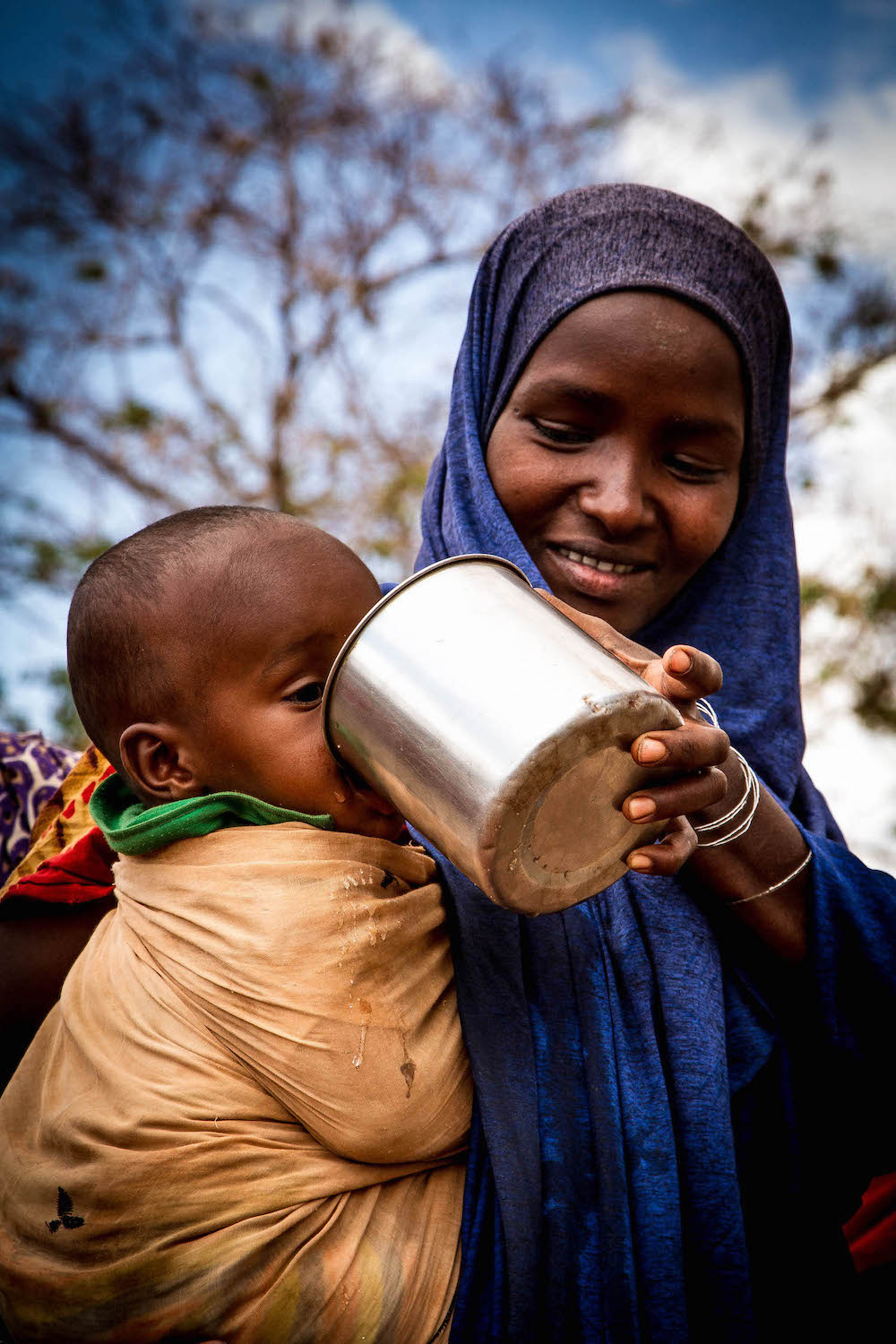
Women and girls in particular play an essential role in the target families for the supply of this resource, for the family, but also for the livestock. In the dry season, they are forced to travel long distances to reach the sources from the villages or camps. Most often, they dig cesspools, which are simple traditional cavities embedded in the beds of watercourses, to collect underground water. This activity occupies most of the time for women and girls, further contributing to the impoverishment of the gender balance. Indeed, it should not be forgotten that women play a crucial role at all levels within the African agri-food system. Indeed, the FAO considers a feminisation of the agricultural sector in sub-Saharan Africa, where women still represent an untapped potential for the eradication of world hunger. The time poverty and high mental burden women are subjected to in these systems contribute to a poorly inclusive system. In the society of the target groups of this proposal, women and girls are the members in charge of doing the work of collecting water (for the family and also for livestock). This situation severely hampers their development, because for some of them, they cannot have time to learn (go to school) or engage in other income-generating activities.
Planned activities:
Construction of a pastoral well: the site for the construction of a well will be identified in the municipality of Bière. The site selection process will be inclusive, involving a series of consultations with community representatives. The consultations will start from the technical results of studies carried out by the Ministry of Water on the depth of the water table. A specialised construction company will be employed in the construction of the well, so that it will be built in full compliance with the Ministry of Water. Once built, the well will be managed by a representative and equal committee, where all communities (farmers and breeders) will be represented in equal proportion. The main tasks of the committee will be to ensure compliance with the well management rules, to guarantee free access to water for all, and also to ensure the maintenance of the well.
Direct beneficiaries: about 5,000 beneficiaries, considering the population that will be able to use the pastoral well
Indirect beneficiaries: n.a
Local partners: COOPI TCHAD, OHDEL local NGO
Cost: 30,387 CHF (+ 17,614 CHF local contribution)
Duration: 9 months (July 2021- March 2022)