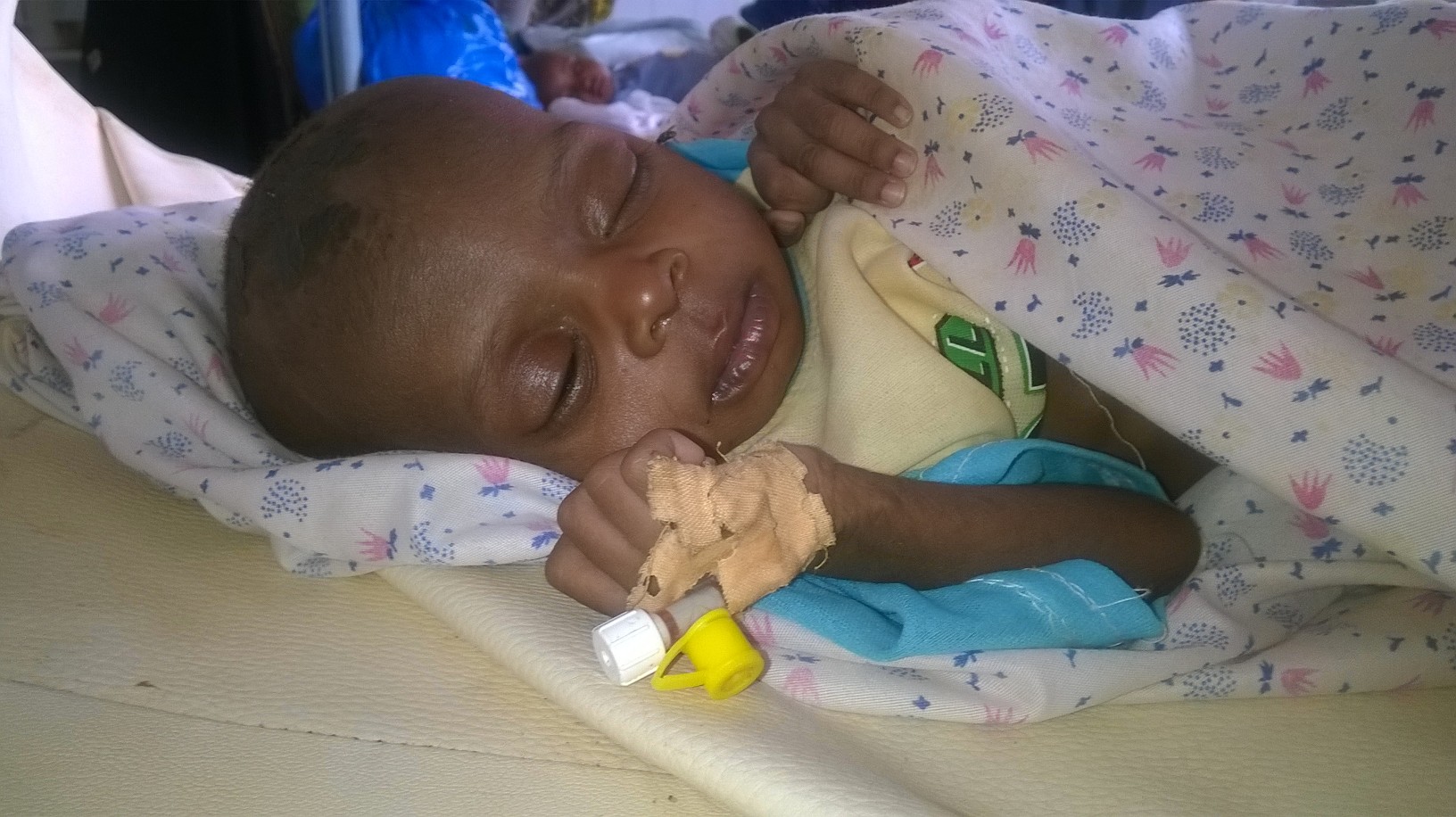
Still hungry: malnutrition in Niger
COOPI Suisse’s project against child malnutrition in Niger has concluded. It is estimated that over 8 million children under the age of five require

COOPI Suisse’s project against child malnutrition in Niger has concluded. It is estimated that over 8 million children under the age of five require
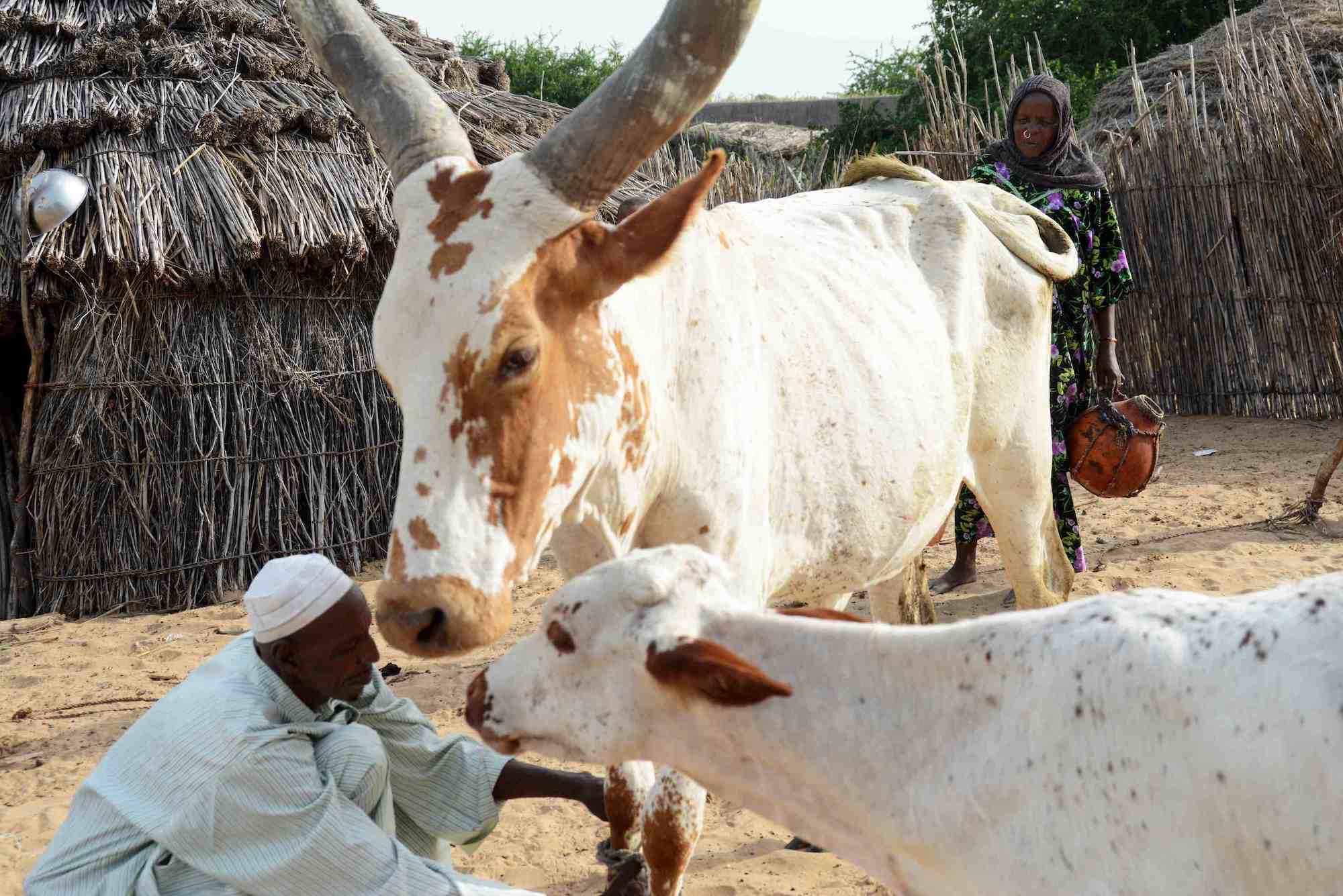
In the Eastern part of Chad, peoples’ lives are essentially based on agriculture and livestock. That said, technical resources, local expertise and conventions that manage
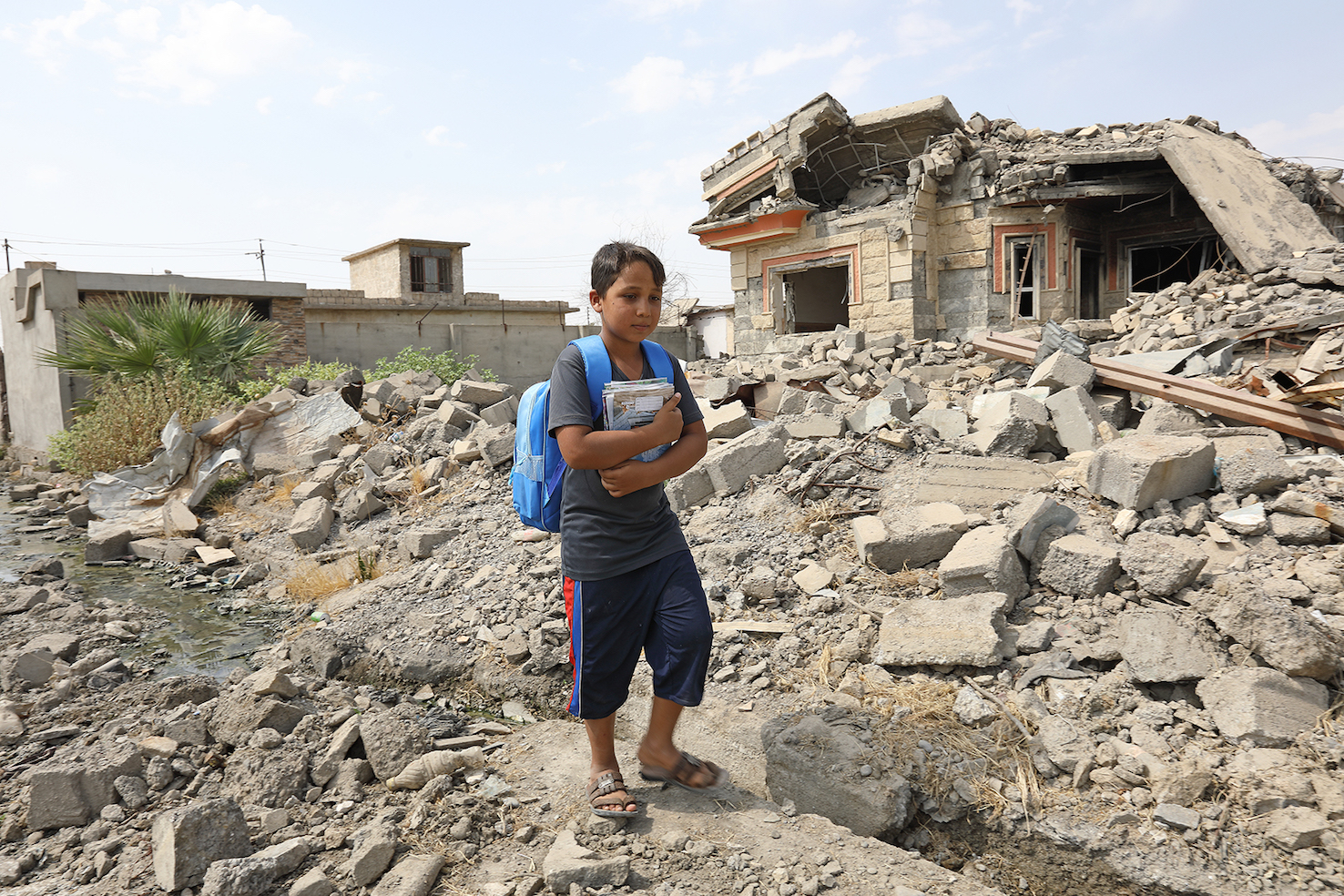
Four years of civil war in Iraq strained an entire population. More than 11 million people require some form of assistance, of which 3.5
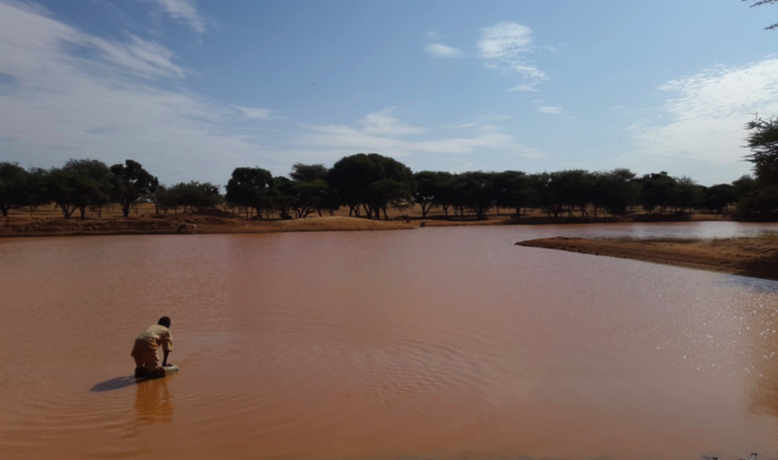
In the State of North Darfur – Sudan – one out of two people is poor. Here people have access to less than 15 liters
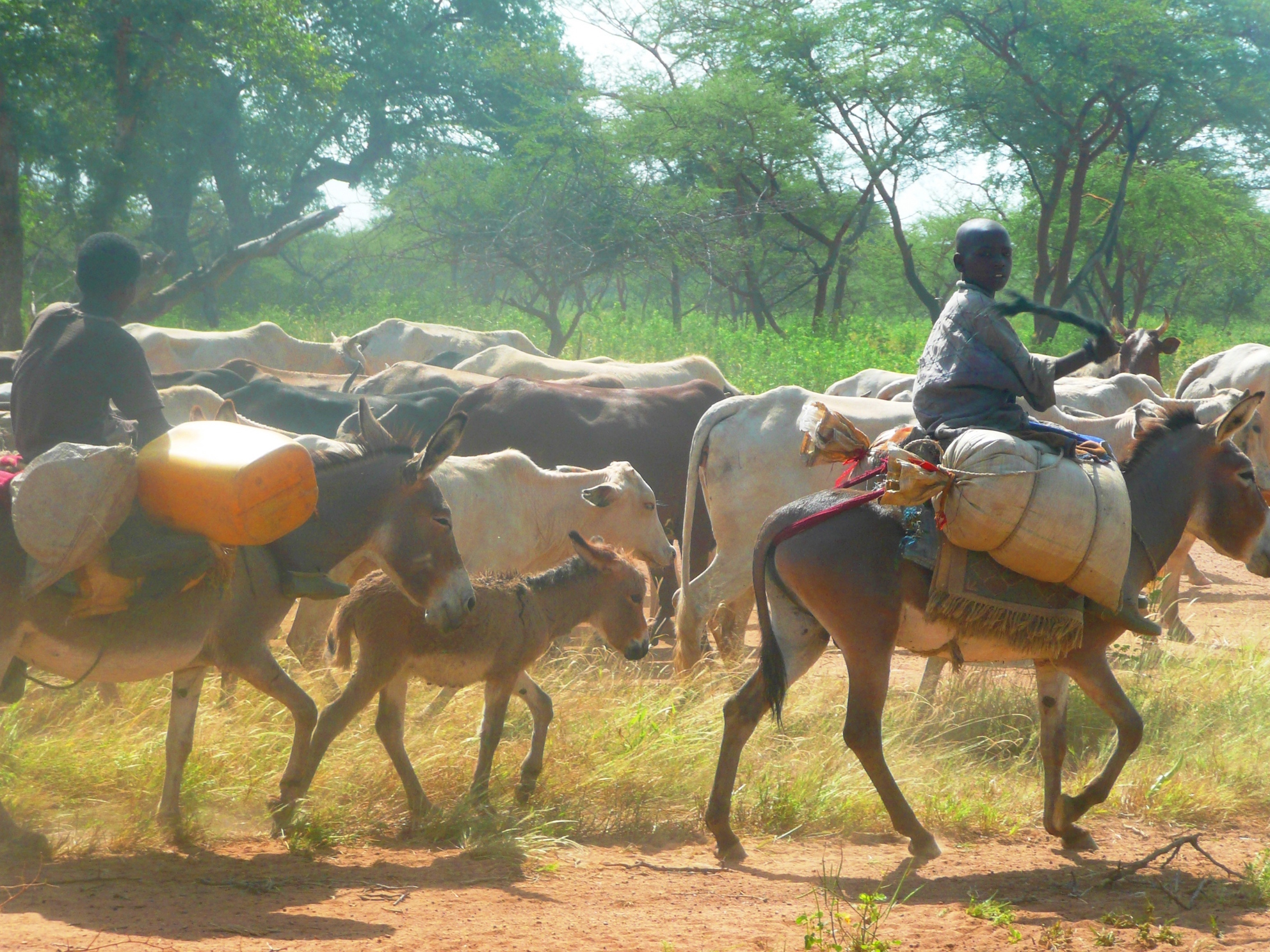
Almost 80% of the Chadian population lives in rural areas and about 40% depends on farming, the only source of income for some of the
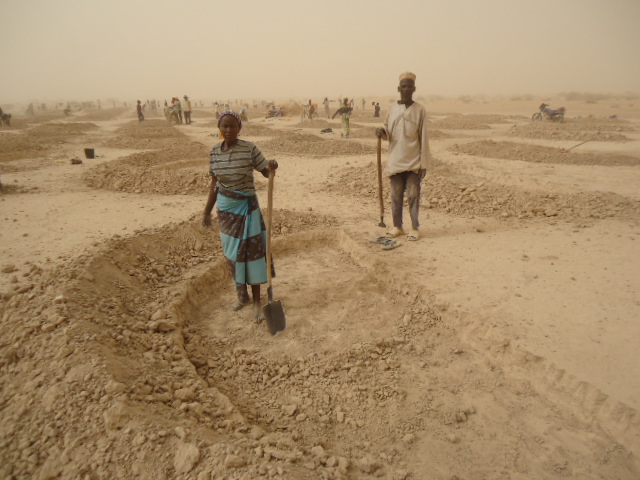
The Dosso region of Niger is considered among the areas with the highest numbers of people exposed to food insecurity due to climatic shocks (drought
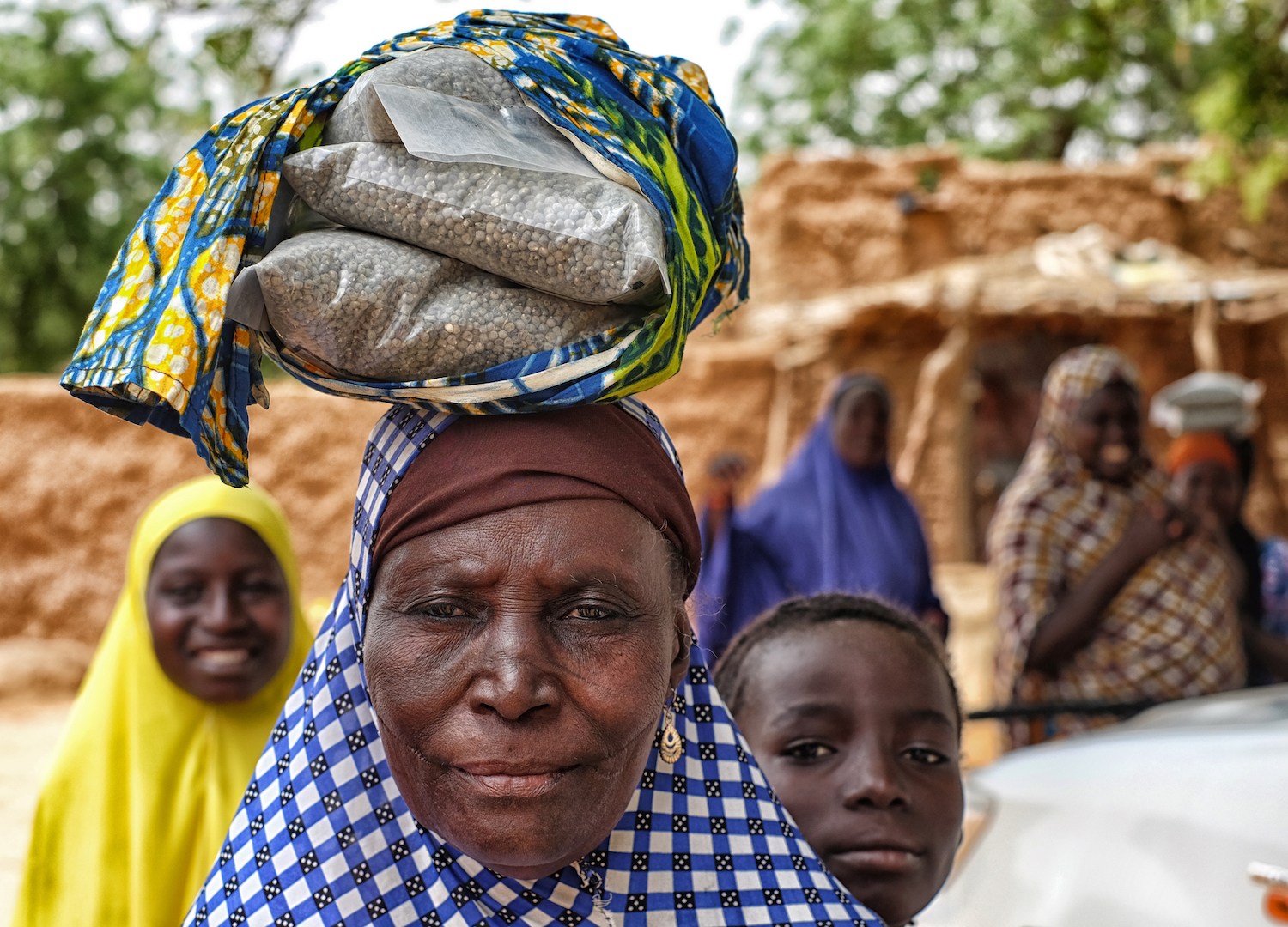
The intervention was aimed at women living in the rural areas of Soucoucoutane and Dogonkiria, in the Dosso region, with little chance of economic

In Dolo Ado, a woreda of about 145.000 inhabitants – which has started to host also thousands of refugees from Somalia since 2011- there
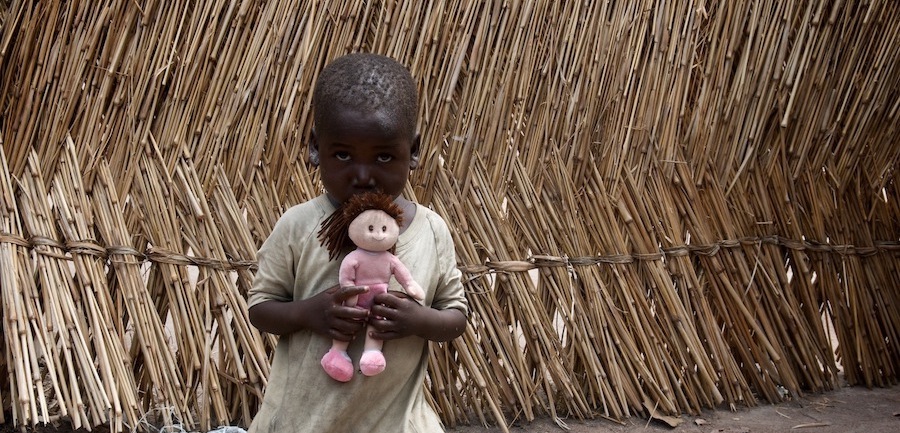
The Chadian capital N’Djamena has become the destination for many children originating from rural areas, all at risk of being trafficked or other irregular violations of
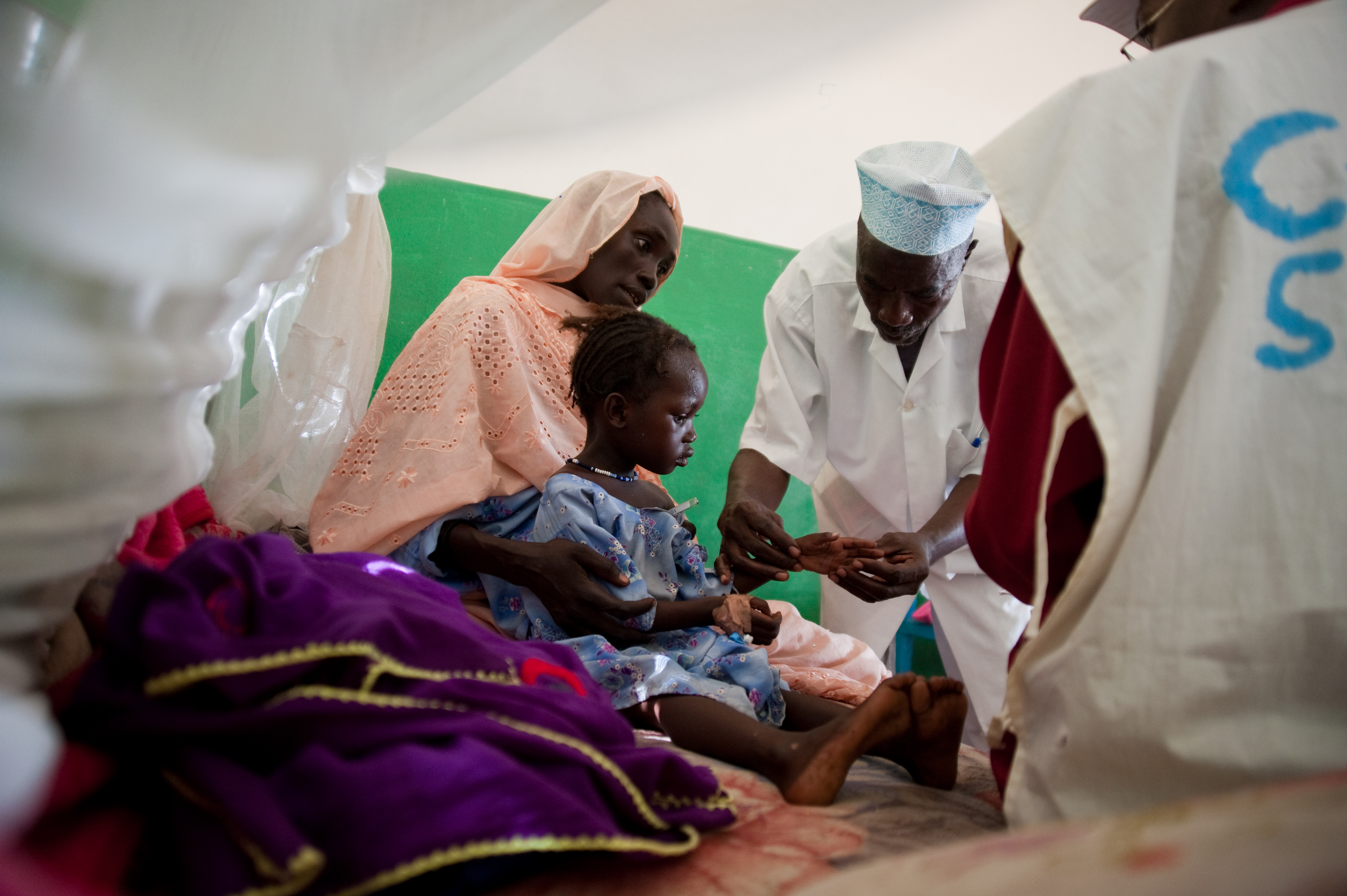
Chad is one of Africa’s poorest countries and ranks 186th place (out of 188 countries) for its very low Human Development Index (UNDP, 2016). The
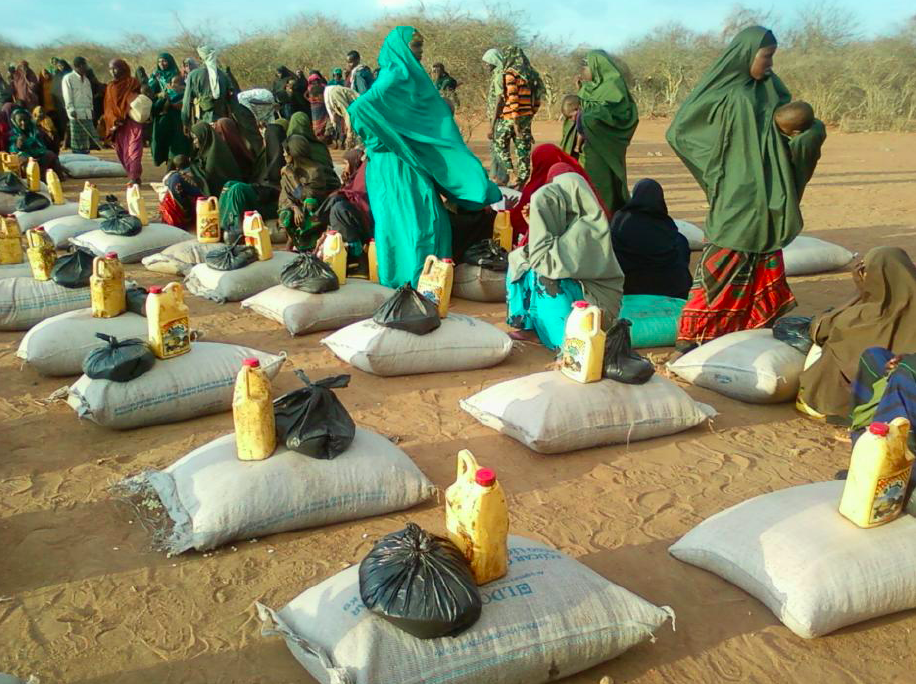
The project took place in the central-southern part of Somalia, more precisely in the regions of Bay and Gedo, in the villages of Baidoa,
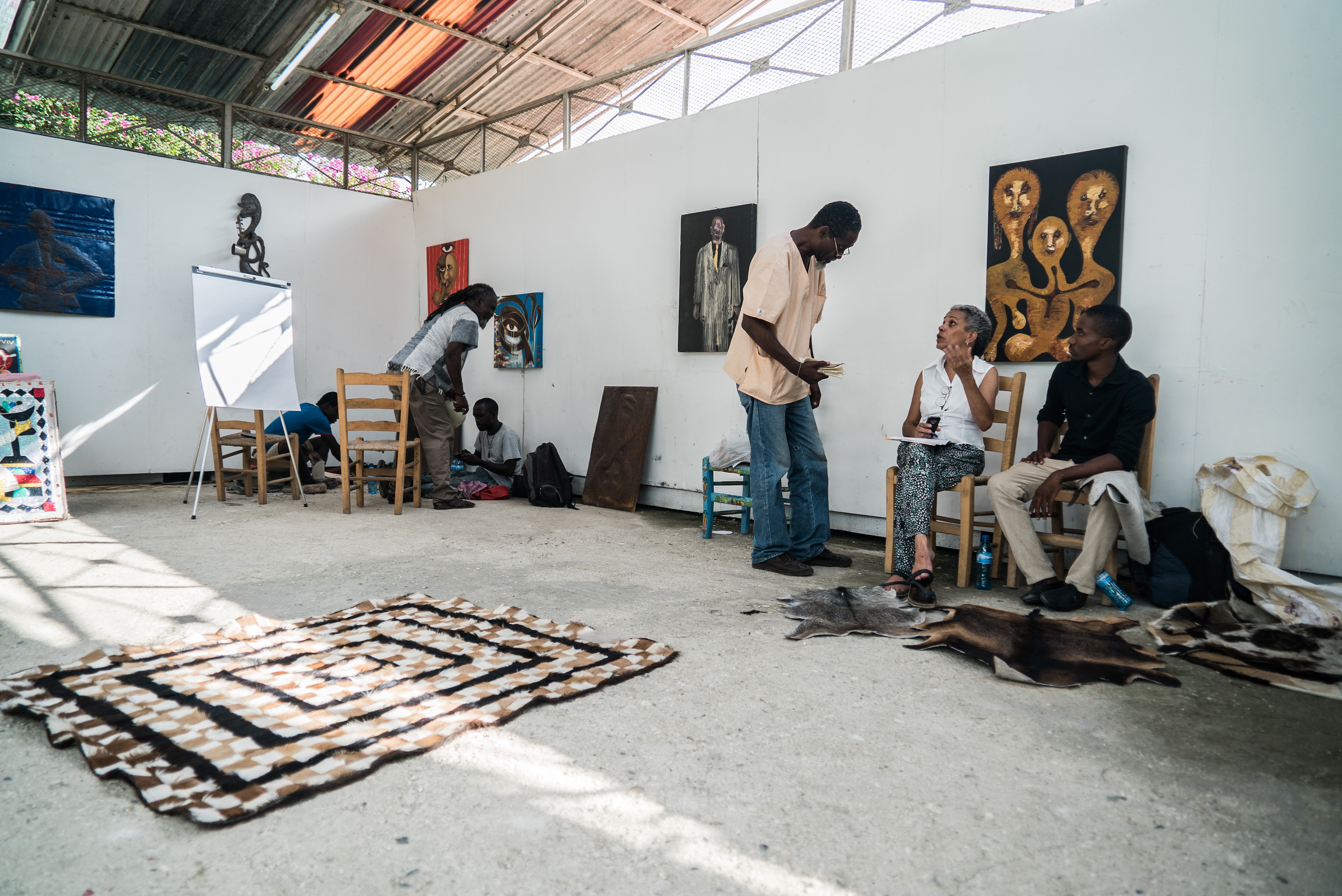
Thanks to the partnership between COOPI Suisse and the Alta Mane Foundation of Geneva, in January 2017 the project “Training and cultural development in
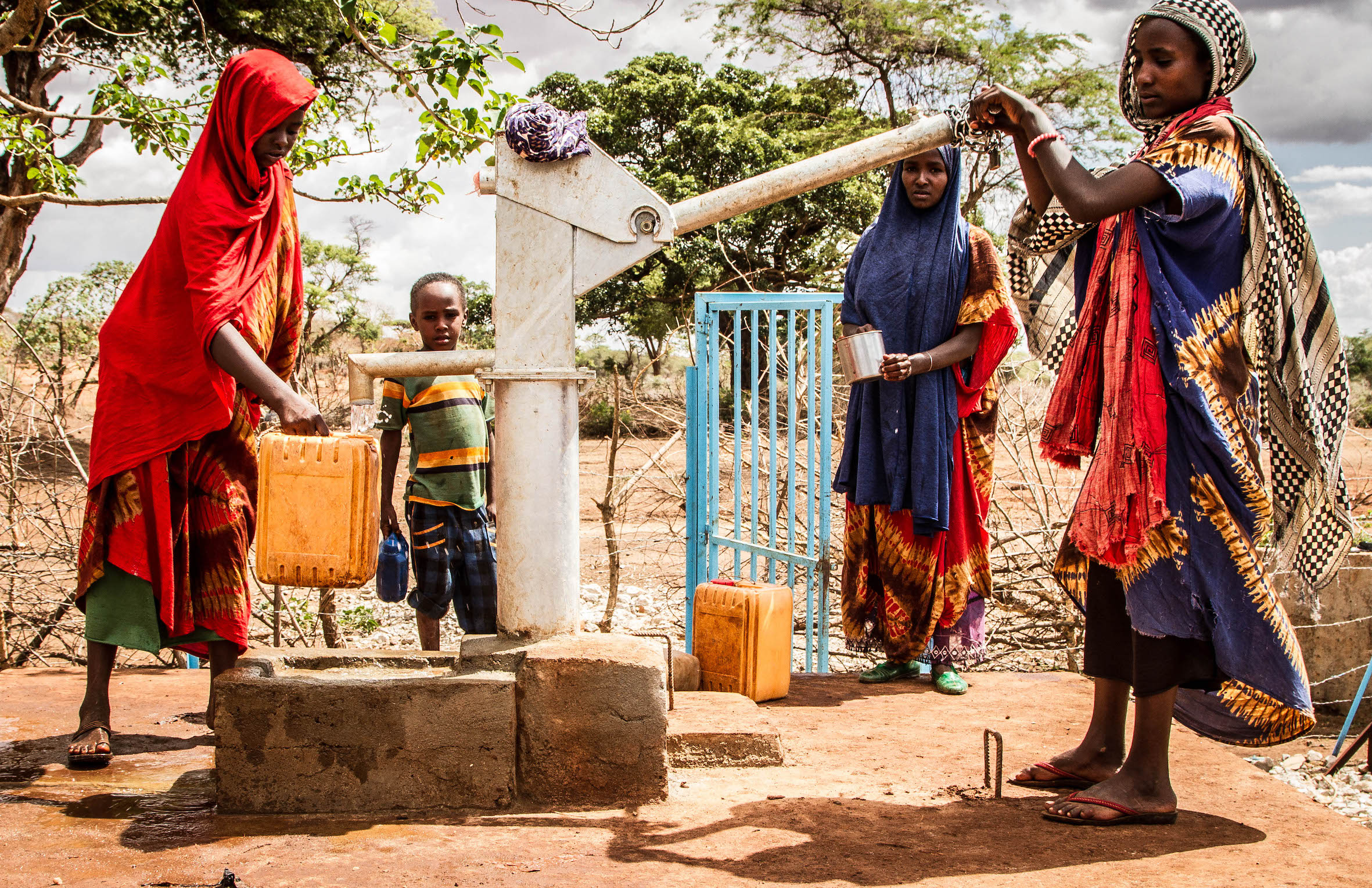
Thanks to the AIL and the Municipality of Collina d’Oro we were able to build three wells to bring clean water directly to 1.500 beneficiaries and 7.500
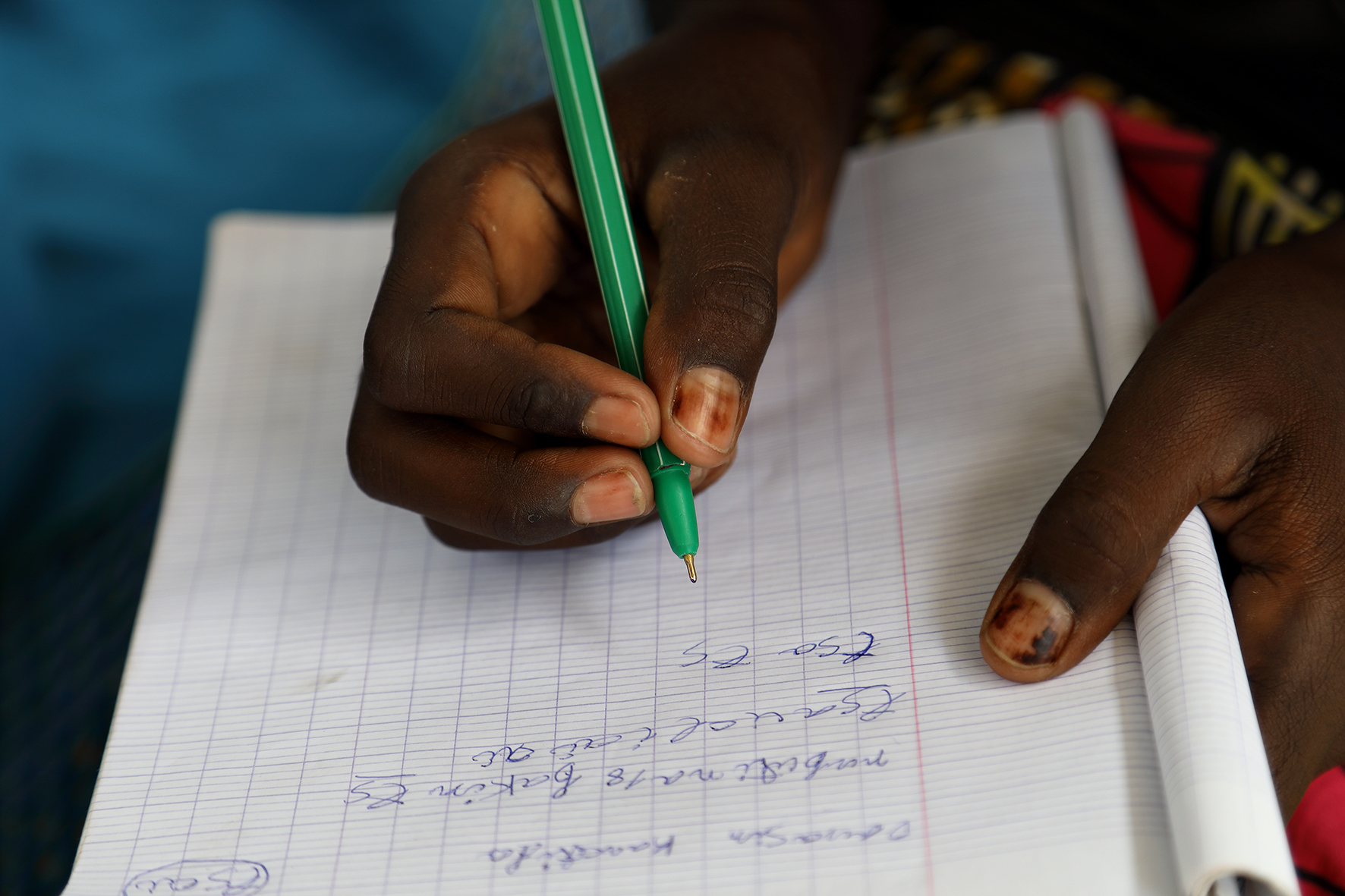
The Central African Republic continues to be subjected to the weakness of its economic and social context, to accessibility problems and to its fragile
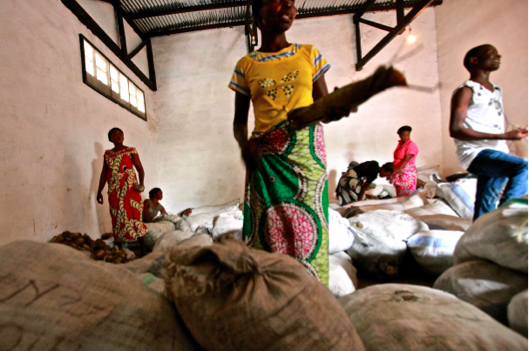
Every day, COOPI Suisse’s battle against malnutrition in Chad continues, particularly in the Dagana department located in the Hadjer Lamis region: it is a
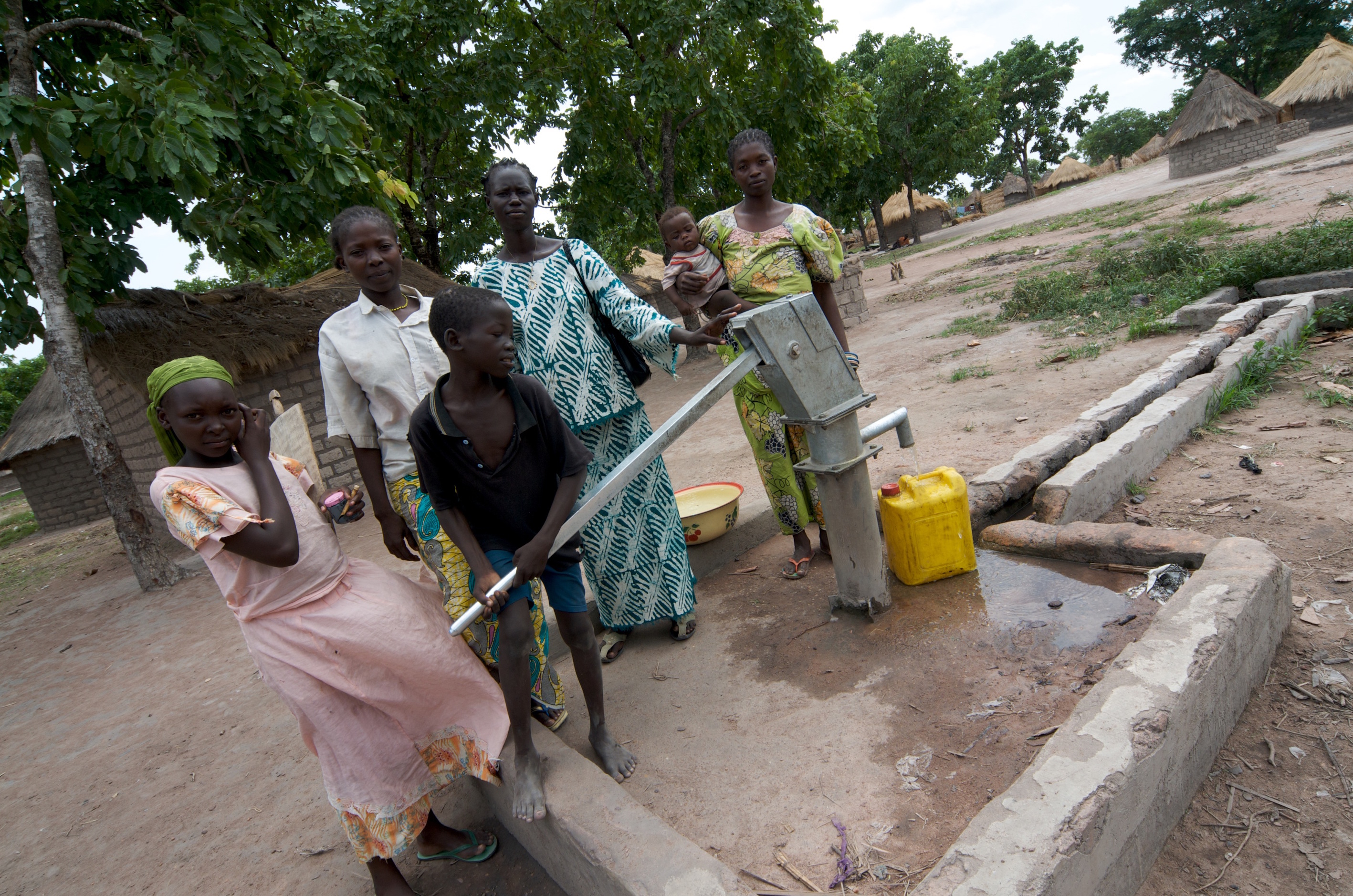
To support food security and for the prevention of conflicts between farmers and shepherds the following project involved the construction of 6 agro-pastoral wells in
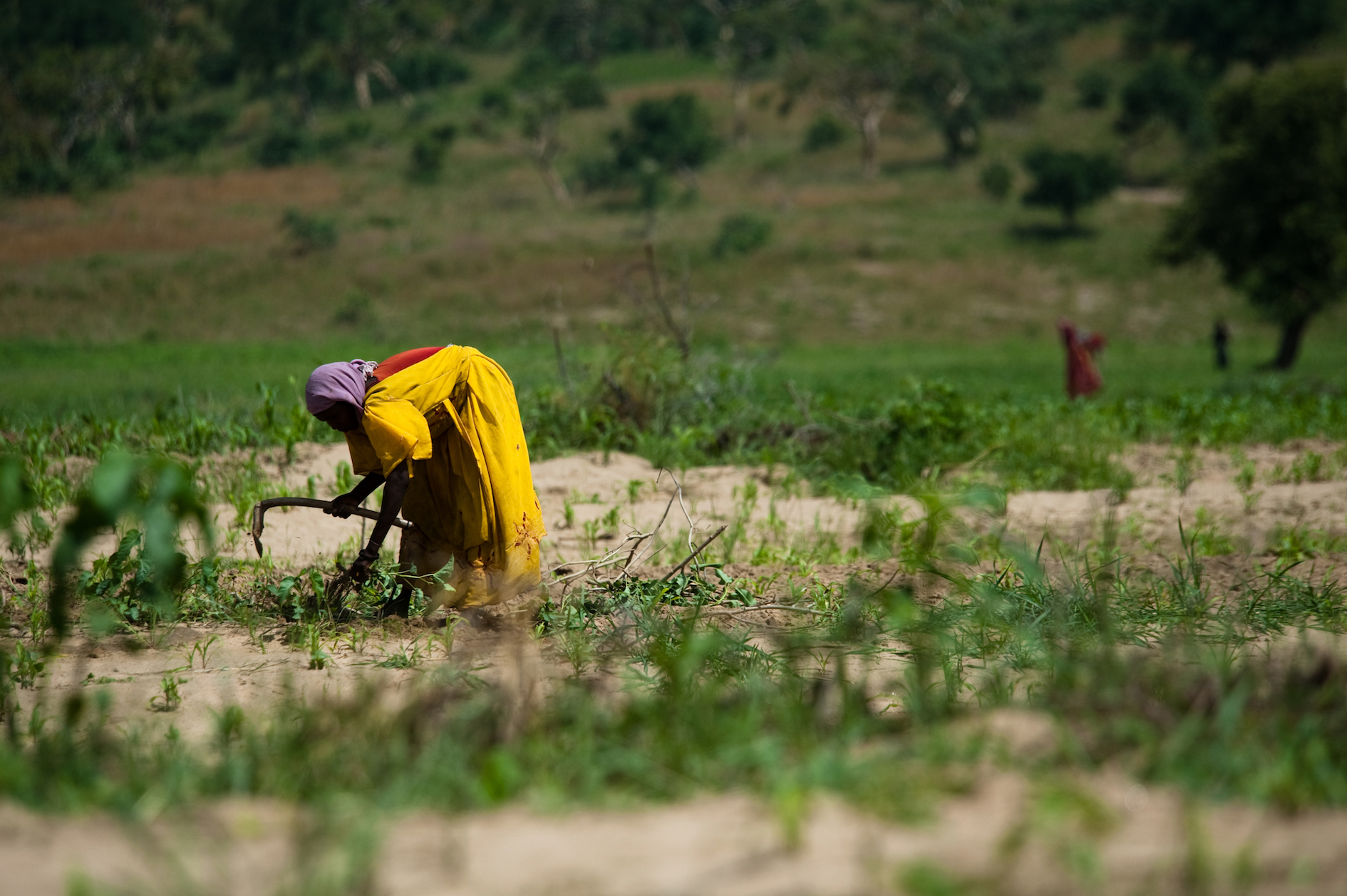
The Republic of Chad, region of Sila, canton of Mouro, canton of Habile Wara. Despite Chad’s strong agricultural potential, 21% of the population
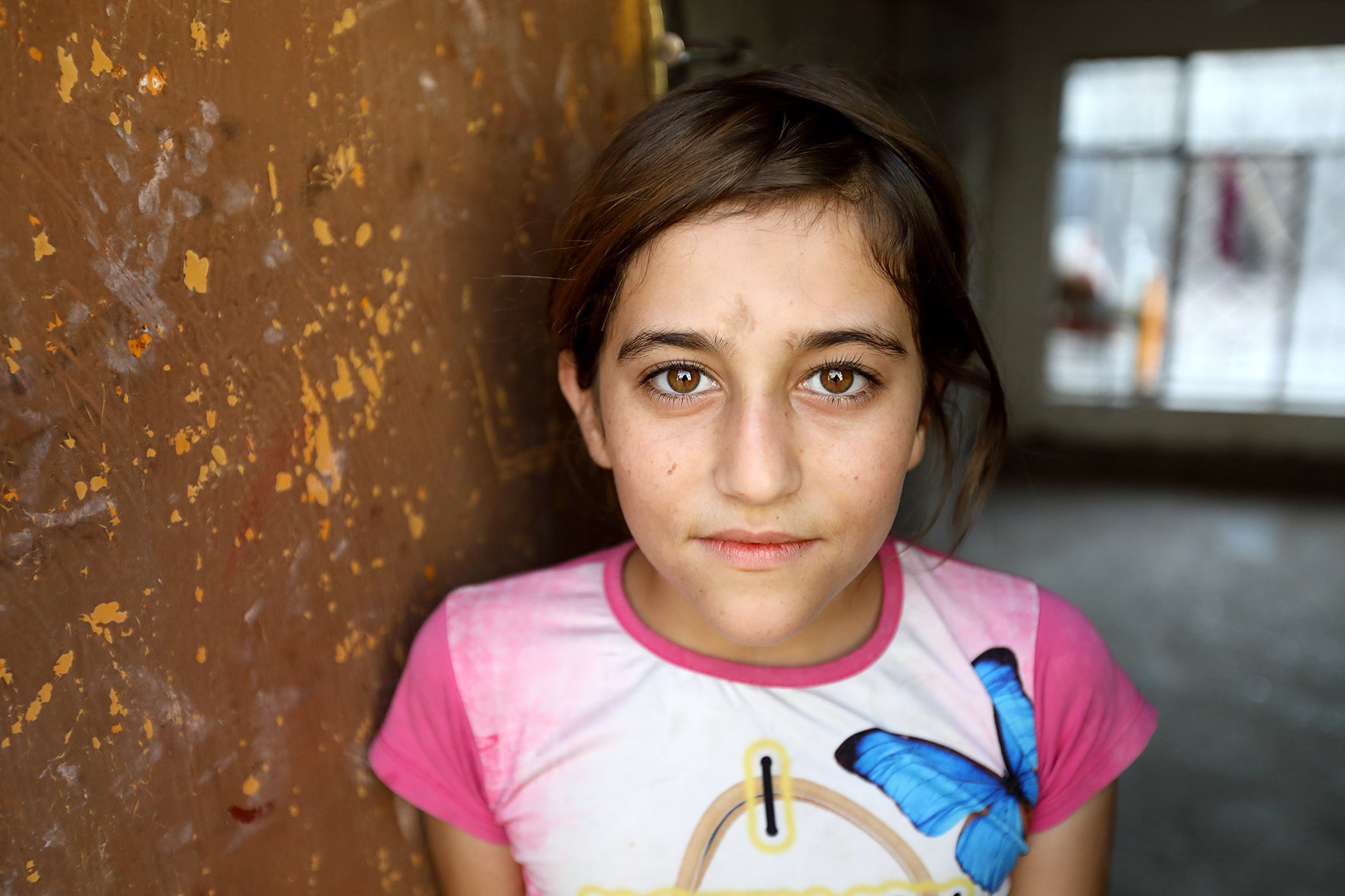
The refugees in Lebanon, approximately 1.2 million registered and recorded by the UNHCR, are distributed over the entire Lebanese territory, with the largest numbers
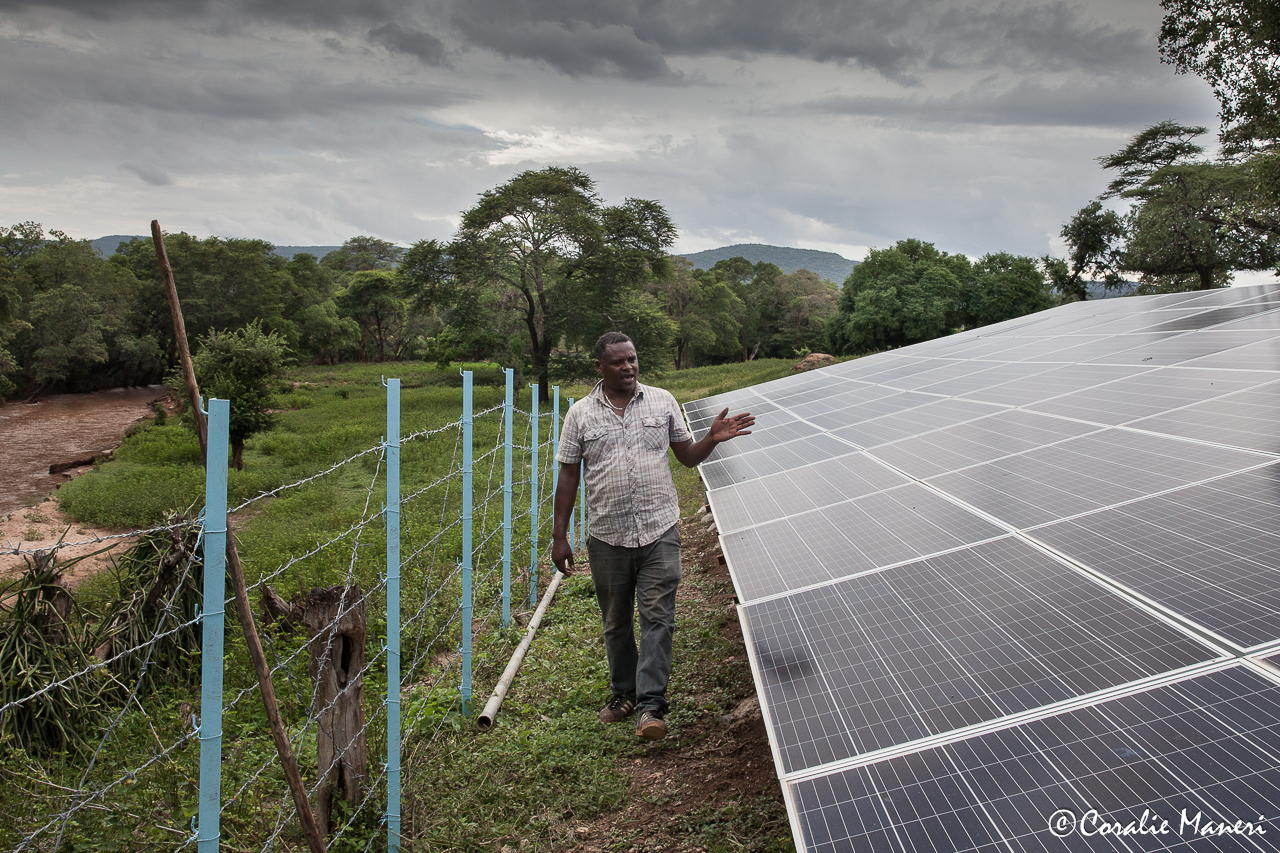
Electricity coverage in Ethiopia is very limited and in rural areas only 0.4% of the population has electricity for private use. Overall, electricity reaches 27%
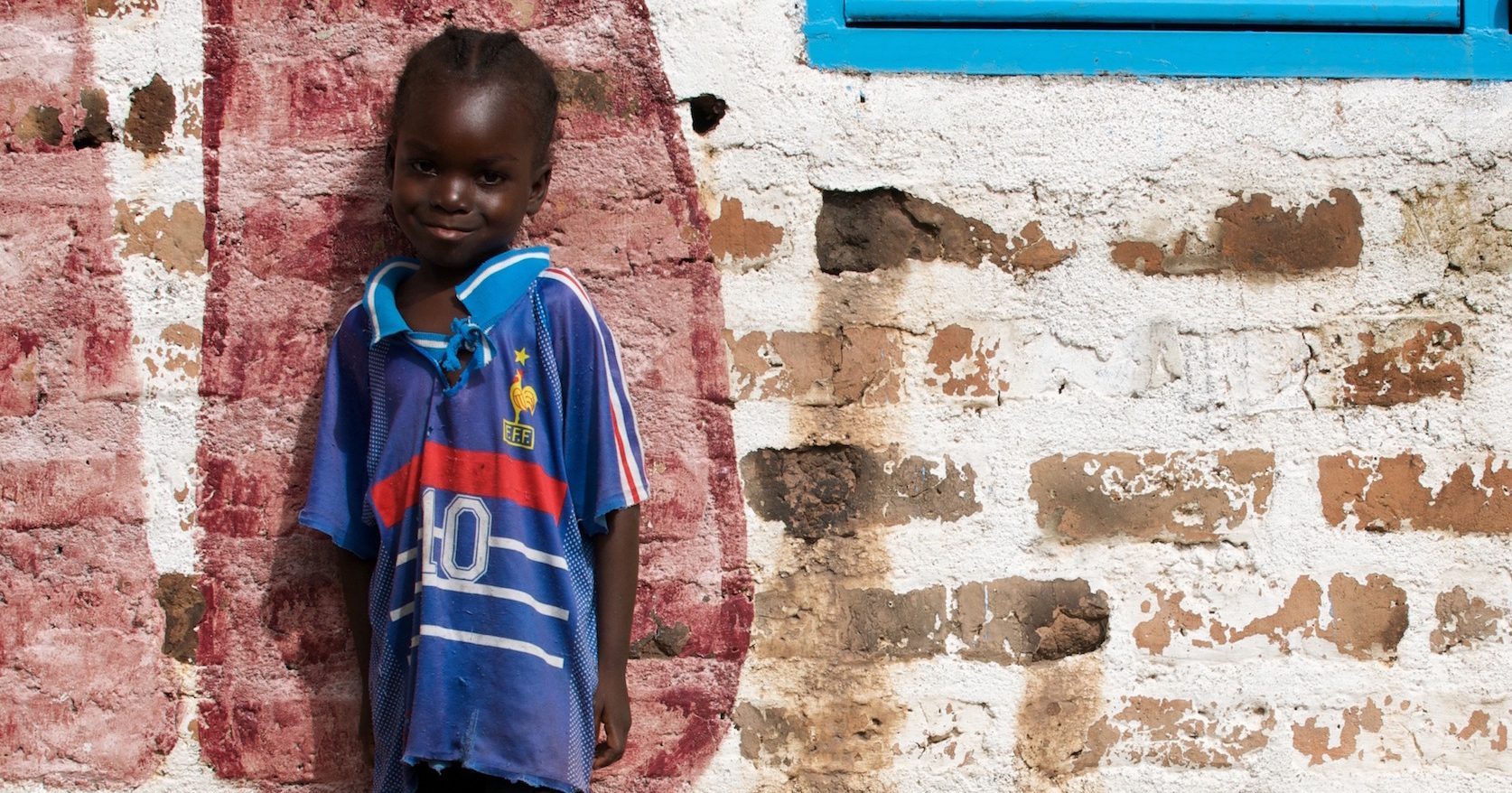
A difficult environment, a complex political situation and low economic growth makes children in Chad a vulnerable category whose rights are systematically violated. The